



Plant engineering is an essential component of the industrial sector, focusing on the design, construction, and commissioning of complex production systems. Plant safety plays a central role in ensuring both the safe operation and the long-term efficiency of these systems.
Relation to UL
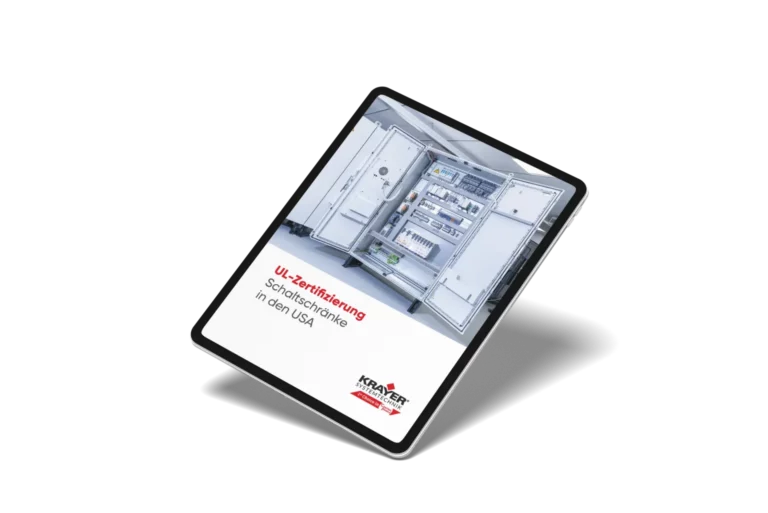
UL standards play an important role in the international use of equipment. Particularly in control panel construction and the electrical equipment of systems, UL certifications ensure that safety and quality requirements are met. This is especially essential for exports to countries such as the U.S. or Canada, where UL standards are often mandatory.
What is meant by plant engineering?
Plant engineering refers to the technical and organizational implementation of projects for the construction of industrial plants. This encompasses the entire life cycle of a plant—from design and planning through manufacturing and assembly to commissioning. The goal is to develop customized solutions that meet the specific requirements of production processes and safety regulations.

What is the difference between mechanical engineering and plant engineering?
While mechanical engineering focuses on the design and manufacture of individual (custom) machines or mechanical components, plant engineering encompasses the planning and implementation of complex systems consisting of multiple machines, control systems, and infrastructure elements. Machines are usually standalone devices, such as motors or production machines, while plants are larger systems—such as production lines or power supply facilities—in which machines are interconnected to enable a complete process. Plant engineering therefore requires an interdisciplinary approach in which mechanical engineering, electrical engineering, and automation work together seamlessly.
Industry Overview: Applications of Industrial Systems
Plant engineering is a central component of numerous sectors and industries, as it forms the basis for manufacturing, processing, and supply in a wide variety of fields. Plant engineering is particularly significant in the chemical and pharmaceutical industries, where complex production facilities are required for the manufacture of chemicals or pharmaceuticals. It also plays an important role in the energy sector, for example in the construction of power plants, wind turbines, or storage systems. Other key areas of application include the food and beverage industry, the automotive and supplier industries, and the process industry. Each sector places specific demands on plant engineering, whether in terms of safety standards, the degree of automation, or environmental sustainability. The versatility of plant engineering is also evident in its close integration with related fields such as mechanical engineering, electrical engineering, and industrial assembly, during which the finished system is installed on-site.
The Importance of Plant Safety
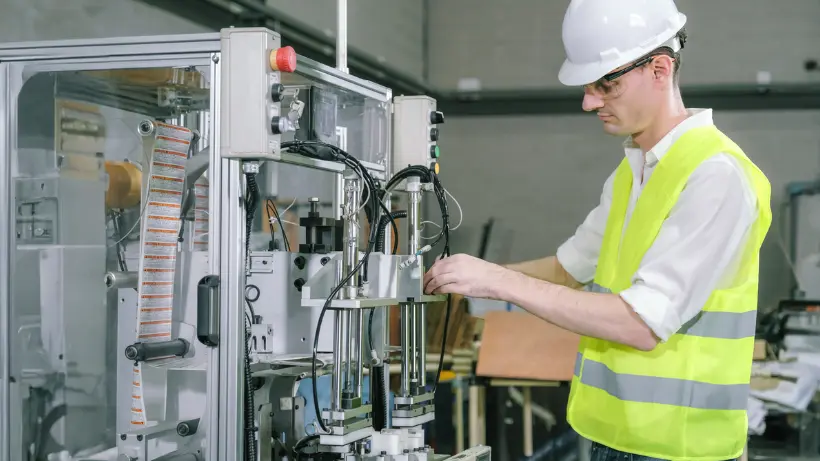
Plant safety plays a central role in minimizing risks to people, the environment, and equipment. Plant safety is crucial for preventing outages, ensuring production processes, and meeting legal requirements. Only by adhering to high safety standards can the long-term availability and efficiency of plants be guaranteed.
Why is safety essential in plant engineering?
Safety in plant engineering is of critical importance for several reasons. On the one hand, it protects the health and lives of employees and minimizes risks to the environment. On the other hand, it helps prevent damage to machinery and equipment, thereby avoiding high repair costs and production downtime. In modern, automated plants where machines and processes are interconnected, ensuring functional safety is particularly important. This is where specialized concepts from safety engineering come into play to identify, assess, and reduce risks through targeted measures. These safety aspects are also necessary to ensure operation throughout the entire life cycle of a plant.
Relevant Standards in Plant Engineering
Strict norms and standards apply in plant engineering, and these vary by region. These ensure that plants can be operated both safely and efficiently. An overview of the most important standards in Europe and the U.S./Canada highlights the regional differences.
EU Directives and IEC Standards in Plant Engineering
In Europe, EU directives and the standards of the International Electrotechnical Commission (IEC) that govern the requirements for plant engineering. Among the most important are the Low-Voltage Directive (2014/35/EU) and the Machinery Directive (2006/42/EC), which ensure safety and health protection. In addition, standards such as EN 60204-1 and ISO 13849 establish requirements for electrical equipment and functional safety. Compliance with these regulations is confirmed by the CE marking, which enables market access within Europe.

UL, CSA, and OSHA: Equipment Safety in the U.S. and Canada
In the U.S. and Canada, the standards set by Underwriters Laboratories (UL) and the Canadian Standards Association (CSA) play a central role in equipment safety. The UL 508A specifies the requirements for control panels, while the National Electrical Code (NFPA 70) governs the installation of electrical systems. In Canada, the CSA C22.2 No. 14 sets comparable standards.
In addition, the Occupational Safety and Health Administration (OSHA) is a key player in the United States. OSHA ensures that workplaces—including industrial facilities—comply with statutory safety regulations.
Practical Example: The Control Cabinet as the System’s Control Center
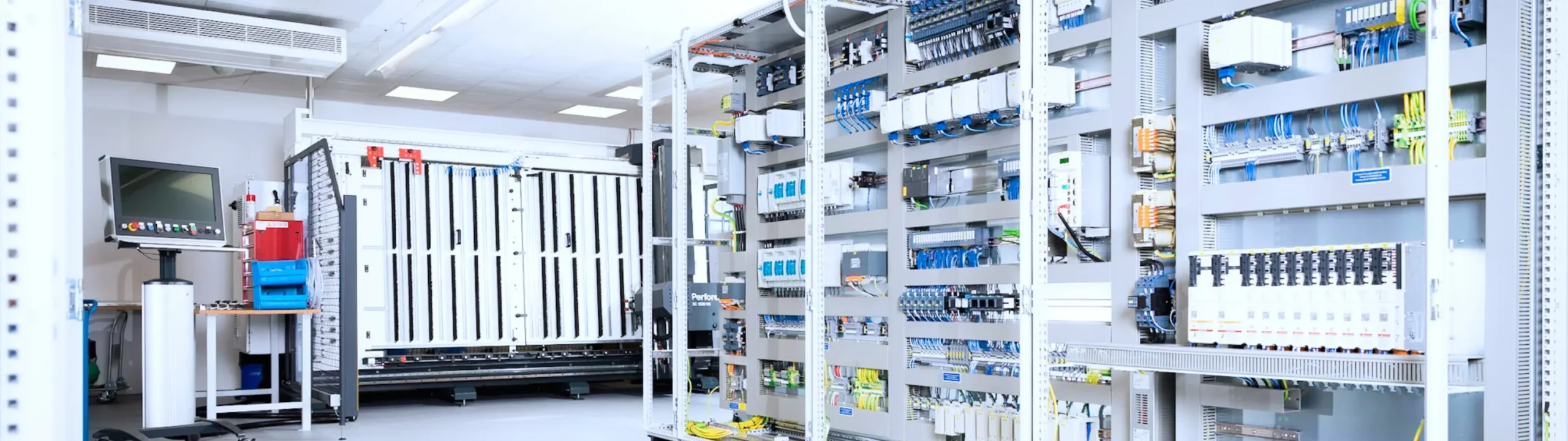
The control cabinet is the central control element in industrial plants and is crucial for safe and efficient operation. It contains all the electrical components—such as controllers, relays, protective devices, and communication systems—that are necessary for monitoring and controlling the entire plant. As the plant’s “control center,” the control cabinet ensures that all machines and processes run smoothly and safely. A faulty control cabinet or defective wiring can lead to serious malfunctions or safety risks that endanger the entire plant. Therefore, in plant engineering, it is essential that control cabinets be carefully planned, built, and regularly maintained to ensure operational safety and plant safety.
Equipment Safety in Control Cabinet Construction
In control cabinet construction, system safety is of particular importance, as control cabinets ensure the functional safety and smooth operation of the entire system. They contain the essential electrical components responsible for monitoring and control. A failure of these components can have serious consequences, which is why measures such as a detailed risk assessment and the implementation of safety functions are necessary.
A typical example of such measures is the use of redundant systems and monitoring functions within the control cabinets. These ensure that even in the event of a partial failure, individual systems can continue to operate and the entire plant is not compromised.
Control Panels Compliant with UL Standards: Equipment Safety in the U.S.
UL standards are of critical importance for the international use of control cabinets, particularly in the United States. UL tests and certifies products and systems that meet specific safety standards. Control cabinets that comply with UL 508A guarantee that they meet all necessary safety requirements for operation in the United States. These include, among other things, requirements regarding design and the use of UL-listed components.
Compliance with these standards offers two key advantages: First, it enhances system safety, as requirements for electrical safety, fire protection, and material durability are strictly enforced. Second, it provides manufacturers and operators with legal protection and facilitates market approval in the United States. Control cabinets compliant with UL 508A are thus not only a safety factor but also an essential step toward ensuring ensure machine safety in the U.S. .
Zusammenfassung
Plant engineering is crucial for safe and efficient production across various industries. Compliance with norms and standards is essential to ensure plant safety. Particularly in control cabinet construction—which serves as the “control center” of the plant—safety requirements such as UL certification are of great importance for international use. Adherence to these standards not only enhances safety but also facilitates market access and provides legal protection.

