




Custom-built machines precisely meet the requirements that truly matter in many production processes and ensure significant efficiency gains. But what exactly goes into this? How does an idea become a custom-built solution with all the necessary components—from the mechanical systems and control technology to the control cabinet, which often must also be certified for the international market?
Relation to UL
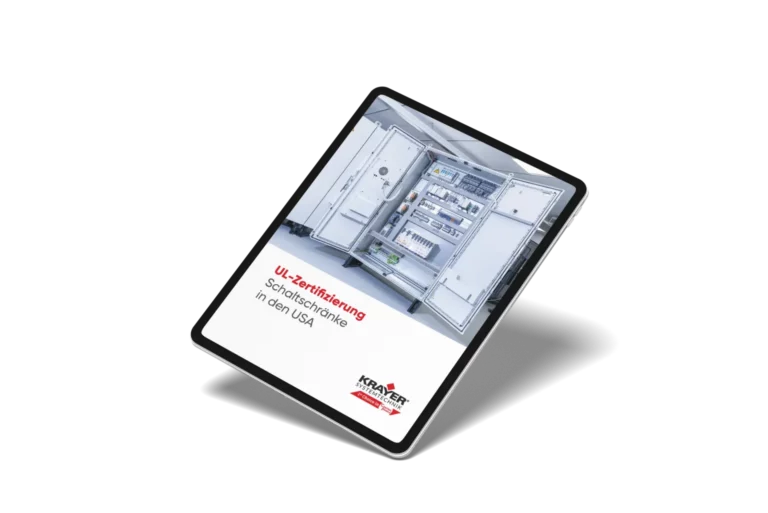
In special-purpose machine manufacturing, UL certification plays a key role for control systems. Standards such as UL 508A define how control cabinets must be safely constructed and wired. This ensures that control systems comply with North American safety requirements and that safe operation is possible.
What is generally meant by “custom machine building”?
Custom machine building refers to the development and manufacture of technical systems that are specifically tailored to the requirements of a particular application or customer project. In contrast to standardized machine solutions, this involves creating custom designs that are precisely tailored to the specific task in terms of function, size, control systems, and integration. This process brings together interdisciplinary expertise from mechanical engineering, electrical engineering, control engineering, and often IT as well. The goal is to automate, optimize, or even enable production processes in the first place when standard solutions are insufficient.
What Sets Custom Machines Apart from Standard Ones
Unlike standard machine manufacturing, which relies on off-the-shelf solutions, custom machine manufacturing is consistently tailored to individual requirements. Instead of mass-produced products, it produces custom-built machines that are precisely tailored to the customer’s process, installation space, and objectives. Where standard solutions reach their limits, that’s where the scope for custom-built machines begins.
Where are special-purpose machines used?
Custom-built machines are used whenever standard solutions are insufficient. Typical industries include the automotive industry, medical technology, electronics manufacturing, food production, and specialty vehicle manufacturing. They perform demanding tasks such as precise assembly, automated testing, gentle product handling, or flexible production of custom assemblies. In doing so, they often meet high standards for quality, hygiene, and process reliability. Special-purpose machines thus provide efficient, tailor-made, and future-proof solutions for complex production processes.
What do custom-built machines have to do with control cabinet construction?
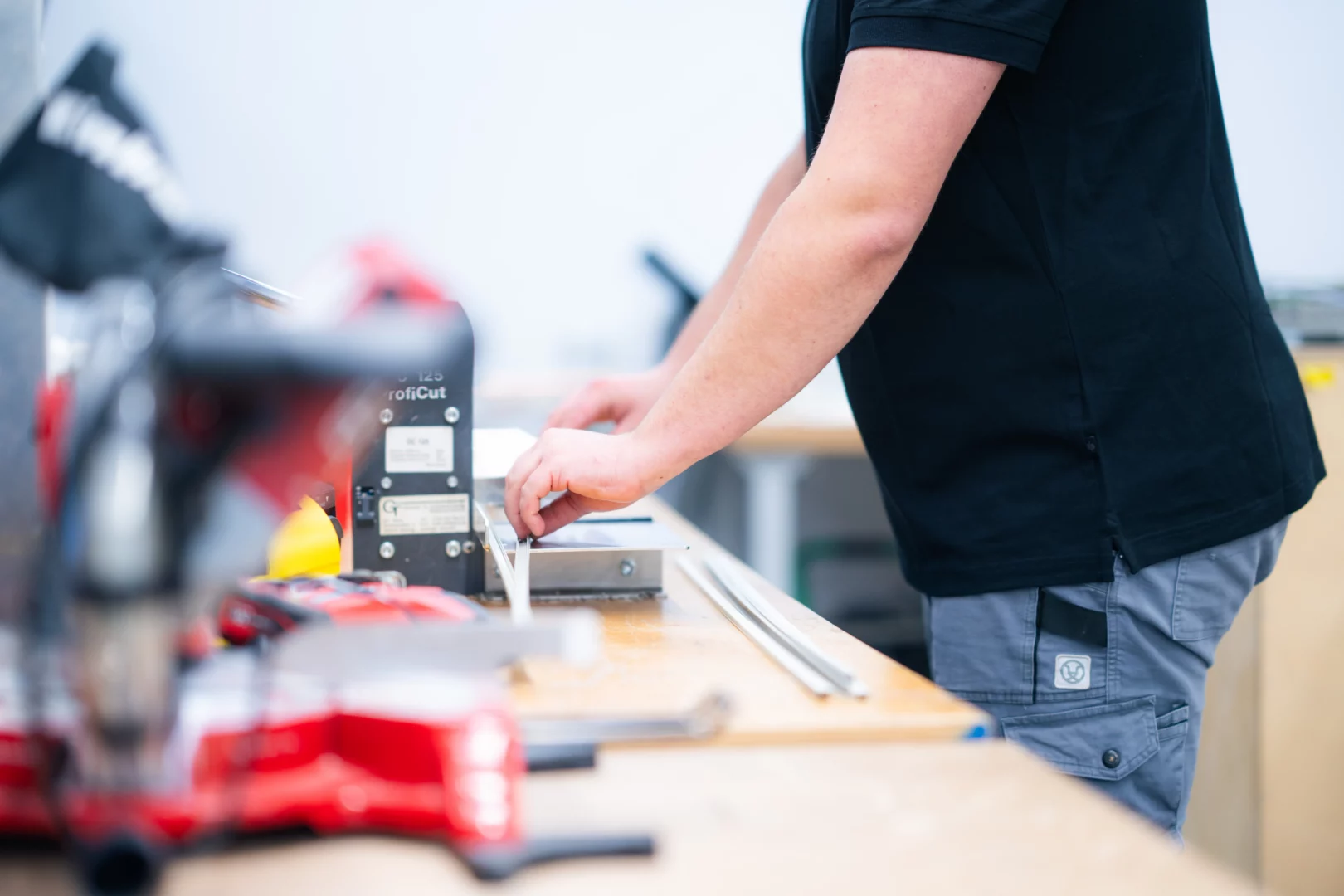
Special-purpose machine manufacturing and control cabinet construction share the same goal: a functional, safe, and high-performance machine. These two fields complement each other and are only truly effective when working together. Without a reliable control system, even the best mechanical components cannot reach their full potential.
Control as a Link
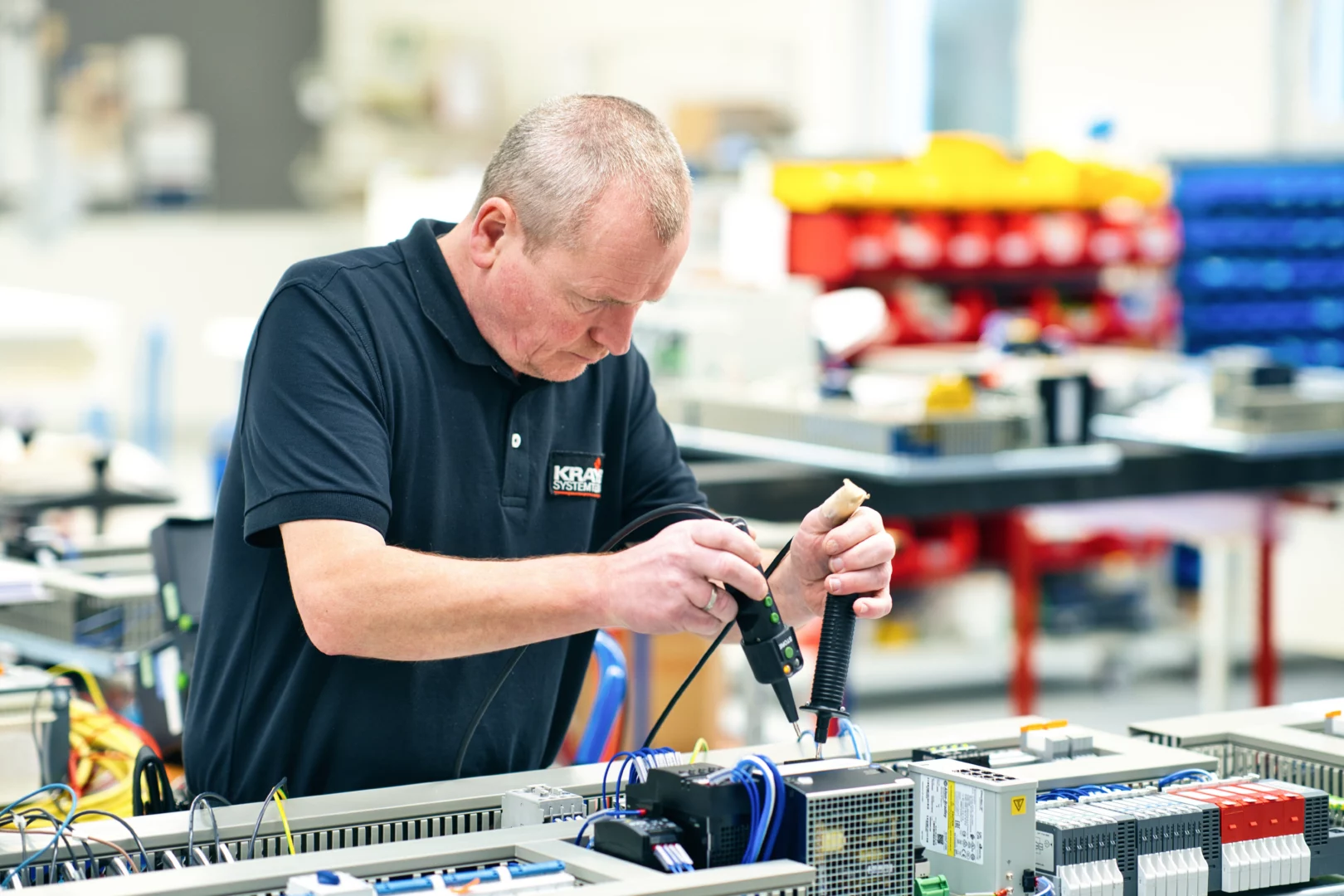
The control cabinet connects all of the special-purpose machine’s technical components. It handles power distribution, protects the electrical system, and links sensors, actuators, and control units. As such, it serves as the central interface between the mechanical system and the control system.
Common Technical Requirements
Both areas require precision, compliance with standards, and careful planning. Mechanical engineering provides the motion, while the control cabinet ensures control and system safety. Only when both systems are perfectly coordinated can the machine operate efficiently and without malfunctions.
Integrated Solutions Instead of Isolated Control Technology
Krayer develops control cabinet solutions that are precisely tailored to the requirements of each specific machine. The team is involved in the development process from the very beginning. This close coordination helps minimize interface issues, ensures that international requirements are addressed early on, and guarantees a smooth industrial installation.
Connected, scalable, and future-proof
Modern specialized machines are an integral part of digital production processes. The control cabinet not only handles control functions but also enables connectivity to higher-level systems. These two areas are converging and together form the foundation for Industry 4.0.
From Idea to Solution: How a Custom Machine Is Created
Every custom machine begins with a thorough understanding of the task at hand. Working closely with the customer, this leads to a concept that is implemented step by step:
Analysis and Documentation
At the outset, we precisely define what the machine is expected to do. In doing so, we work with the customer to develop and document technical requirements, standards, safety considerations, and interfaces.
Design and Development
Using the documentation, engineers develop initial designs and technical concepts. The mechanical, control, and software components are coordinated and integrated into a comprehensive system.
Manufacturing and Assembly
The machine is manufactured, assembled, and tested in-house. The focus is on the highest precision, quality control, and operational reliability before delivery.
Commissioning & Training
At the job site, the machine is installed, optimally adjusted, and put into operation. Users receive detailed training to ensure safe and efficient operation.
This structured implementation results in a solution that is both technically sound and economically viable.
Standards and Certifications for Special-Purpose Machinery
Despite their unique nature, custom-built machines are subject to clear legal requirements. In Europe, for example, the Machinery Directive applies, and for exports to the U.S. or Canada, additional standards such as NFPA 79, UL 2011, UL 508A, or UL 698A come into play.

Why Special-Purpose Machines Are Used
Custom-built machines are used whenever standard solutions are insufficient and specific requirements must be met. While they often involve higher upfront costs, they offer a tailor-made technical solution for complex or specialized manufacturing processes.
Fit
The custom machine is designed specifically for the respective process. The technology is tailored to the company’s requirements, not the other way around. This results in a solution that is precisely tailored to the company’s needs.
Efficiency
Automated workflows save a significant amount of time and help ensure that resources are used optimally. This not only speeds up processes but also makes them more cost-effective.
Competitive advantage
The use of customized technology offers companies the opportunity to stand out from the competition. Tailored solutions help companies differentiate themselves in the market and strengthen their position.
Process reliability and compliance with standards
Custom-designed control systems and control cabinets ensure compliance with specific safety and quality requirements. These are essential for exporting to North American markets, as they ensure compliance with applicable safety standards such as UL 508A.
Flexibility
Special-purpose machines can be expanded or customized as needed. This flexibility makes it possible to respond quickly to changing requirements or new developments in the production environment.
Conclusion: Custom Machine Building as a Strategic Component of Modern Production
Custom-built machines enable companies to tailor their manufacturing processes to specific requirements. They contribute to increased efficiency, automation, and differentiation. At the same time, their development requires technical expertise, structured project management, and close coordination among all stakeholders. In the future, custom machine building will be increasingly shaped by digital technologies and modular systems. Those who help shape this transformation will strengthen the long-term competitiveness of their production.

