




Without industrial assembly, every machine remains nothing more than a jigsaw puzzle of individual parts. Only through precise planning, professional assembly, and careful commissioning does a fully functional whole emerge—one that forms the foundation of modern production. From individual control cabinets to complex production lines, industrial assembly ensures that all components work together efficiently, production processes run smoothly, and companies worldwide remain competitive.
Relation to UL
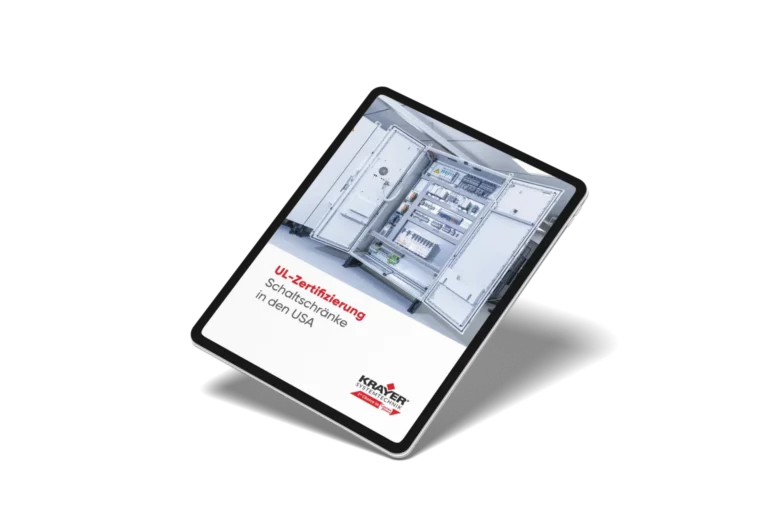
UL standards play a key role in the international use of equipment. Particularly in industrial assembly—such as the installation of control cabinets and the electrical equipment of machines— UL certifications ensure compliance with high safety and quality standards. This is particularly essential for exports to countries such as the United States or Canada, where UL requirements (such as UL 508A) are often mandatory.
What is industrial assembly?
Industrial assembly refers to the process of assembling, installing, and commissioning machinery, equipment, and production lines in industrial settings. The goal is to integrate individual components into a functioning system that operates efficiently, reliably, and safely.
Core Processes in Industrial Assembly
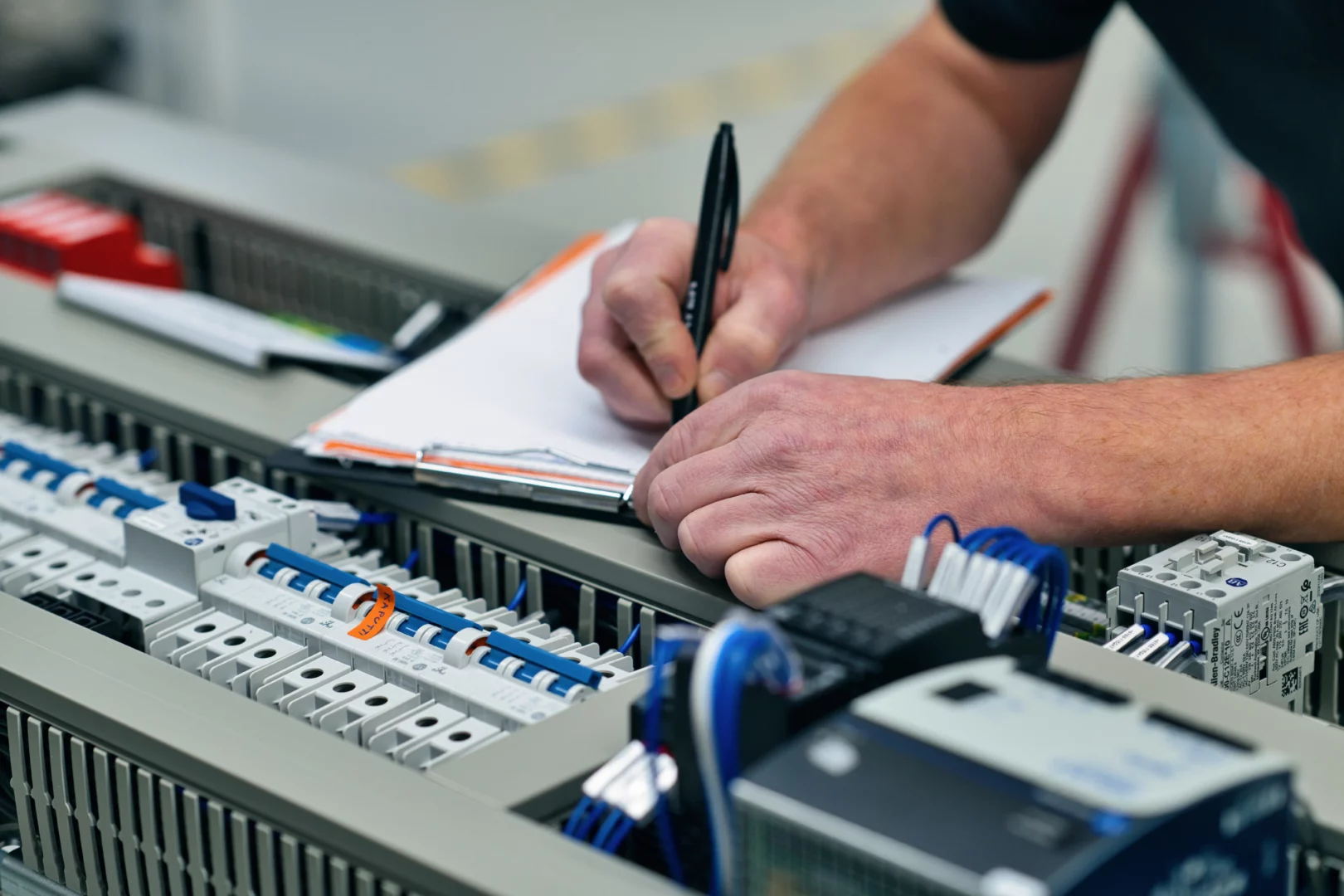
Industrial assembly involves several sequential processes that ensure machines, systems, and production lines operate reliably and efficiently. The following procedure is followed:
Planning: Before the actual installation begins, the process is planned in detail. This includes installation plans, schedules, and coordination of the necessary resources, as well as an analysis of the on-site conditions.
Transportation: Machinery and equipment are generally transported in individual parts. Safe transportation to the site is crucial to prevent damage.
Installation: The mechanical and electrical assembly of the components is carried out precisely according to the plans. In this process, individual parts are assembled into a functional unit, wired, and connected.
Commissioning: After installation, extensive testing is conducted to verify that all systems are functioning properly. Fine-tuning and adjustments ensure that the system operates optimally.
Differences from Conventional Installation
Industrial assembly differs significantly from traditional assembly, which often involves smaller, less complex tasks. It requires specialized expertise, experience working with large machines and complex systems, as well as precise planning and coordination.
Integration and Commissioning
While traditional assembly is often limited to standard components and simple assemblies, industrial assembly involves the installation of complete systems, the integration of electrical and mechanical components, and commissioning in accordance with high safety and quality standards.
Relevance for Critical Industries
This increased complexity makes industrial assembly indispensable in industries where efficiency, precision, and reliability are critical, such as the automotive, chemical, and food industries.
Sectors in Industrial Assembly
Industrial assembly takes place in a wide range of industries where precision, safety, and efficiency are critical. Typical applications include:
- Automotive Industry: Assembly of Production Lines, Robotic Systems, and Conveyor Technology
- Chemical Industry: Construction and Integration of Reactors, Piping Systems, and Laboratory Facilities
- Food and Beverage Industry: Installation of Filling and Packaging Systems
- Mechanical Engineering: Assembly of Complex Machines and Manufacturing Systems
- Energy and Environmental Technology: Construction of facilities for energy generation, water treatment, or waste management
- Pharmaceutical Industry: Installation of High-Precision Production and Packaging Lines
Types of Industrial Assembly
Industrial assembly is not a monolithic process; rather, it is divided into various categories depending on project requirements. The choice of method depends on factors such as the size of the plant, site conditions, and modular design:
Machine Assembly
This involves the individual assembly of machines or their components. The goal is to install each piece of equipment precisely and integrate it correctly into the overall production system. For example, CNC machines are aligned and connected with high precision in manufacturing facilities.
Equipment Installation
In this option, entire production facilities are constructed. This includes mechanical assembly, wiring, electrical connections, and system integration—often as a turnkey project in, for example, automotive plants or process facilities.
Module Assembly
Large systems are prefabricated in transportable units (modules). These modules are assembled on site. This reduces assembly time, simplifies transportation logistics, and allows for flexible adaptation to site conditions.
Dismantling and Reassembly
Industrial installation involves not only setting up new systems, but also the controlled dismantling and reassembly of existing facilities—for example, in connection with relocations, restructuring, or extensive modernizations.
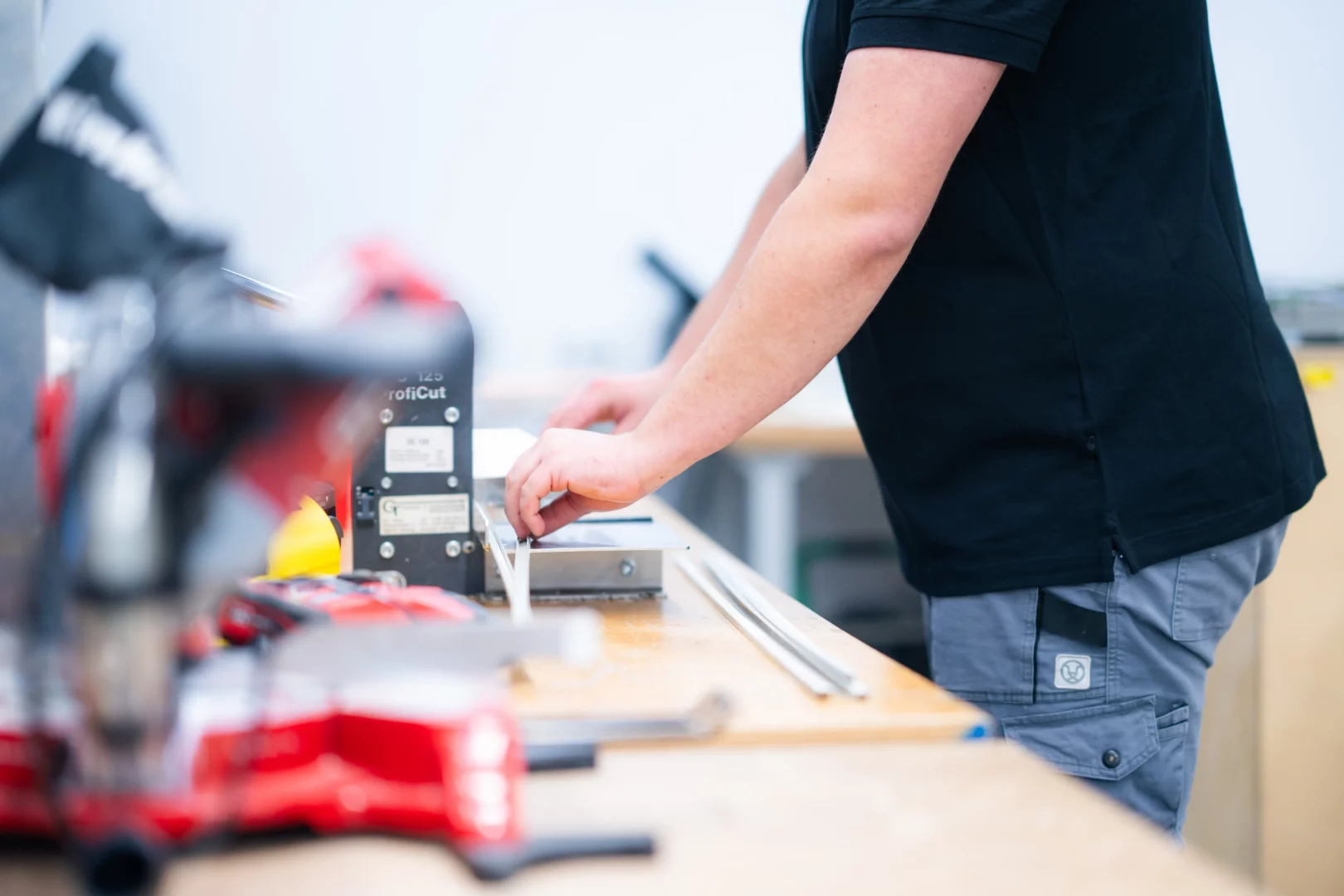
Tools Used in Industrial Assembly for Control Panel Construction
In the construction of UL-certified control cabinets, specialized tools are used in industrial assembly to ensure both mechanical and electrical precision:
- Torque wrenches and precision screwdrivers: for the precise fastening of cabinet and control components
- Stripping and Crimping Tools: For Safe and Standard-Compliant Wiring
- Testing Equipment: Multimeters, Insulation Testers, and Voltage Testers for Checking Electrical Connections
- Lifting and positioning aids: for larger control cabinets or complex modular assemblies
The right tools ensure compliance with UL standards and contribute to the highest quality and operational safety.
Techniques and Innovations in Industrial Assembly
Industrial assembly requires not only technical skill but also the targeted use of modern technologies and innovative approaches. This is the only way to assemble complex systems—such as machines, plants, or UL-certified control cabinets —efficiently, safely, and in compliance with standards.
Precision Assembly Techniques
In industrial assembly, precise techniques are crucial for assembling machines, systems, or control cabinets efficiently and without errors. Large systems are prepared in modules and assembled on site.
Assembly in Control Panel Construction
In control cabinet construction, this means that individual modules are pre-wired and tested before they are integrated into the final assembly. Interdisciplinary coordination ensures that mechanical, electrical, and control components work together seamlessly.
Modern Innovations
Digital twins make it possible to create virtual models of entire systems or control cabinets, simulate the assembly process, and identify potential problems early on.
Networked Testing Systems and Automation
Networked testing systems enable real-time monitoring of installed components. Automated lifting and assembly systems assist skilled workers and increase precision and efficiency, particularly when working with large or modular control cabinets.
Achievements and Challenges in Industrial Assembly
Industrial assembly involves more than simply putting components together—it is a combination of planning, precision, and coordination. High demands on technology, logistics, and time management make it one of the most challenging processes in industrial manufacturing.
High Performance Through Efficient Processes
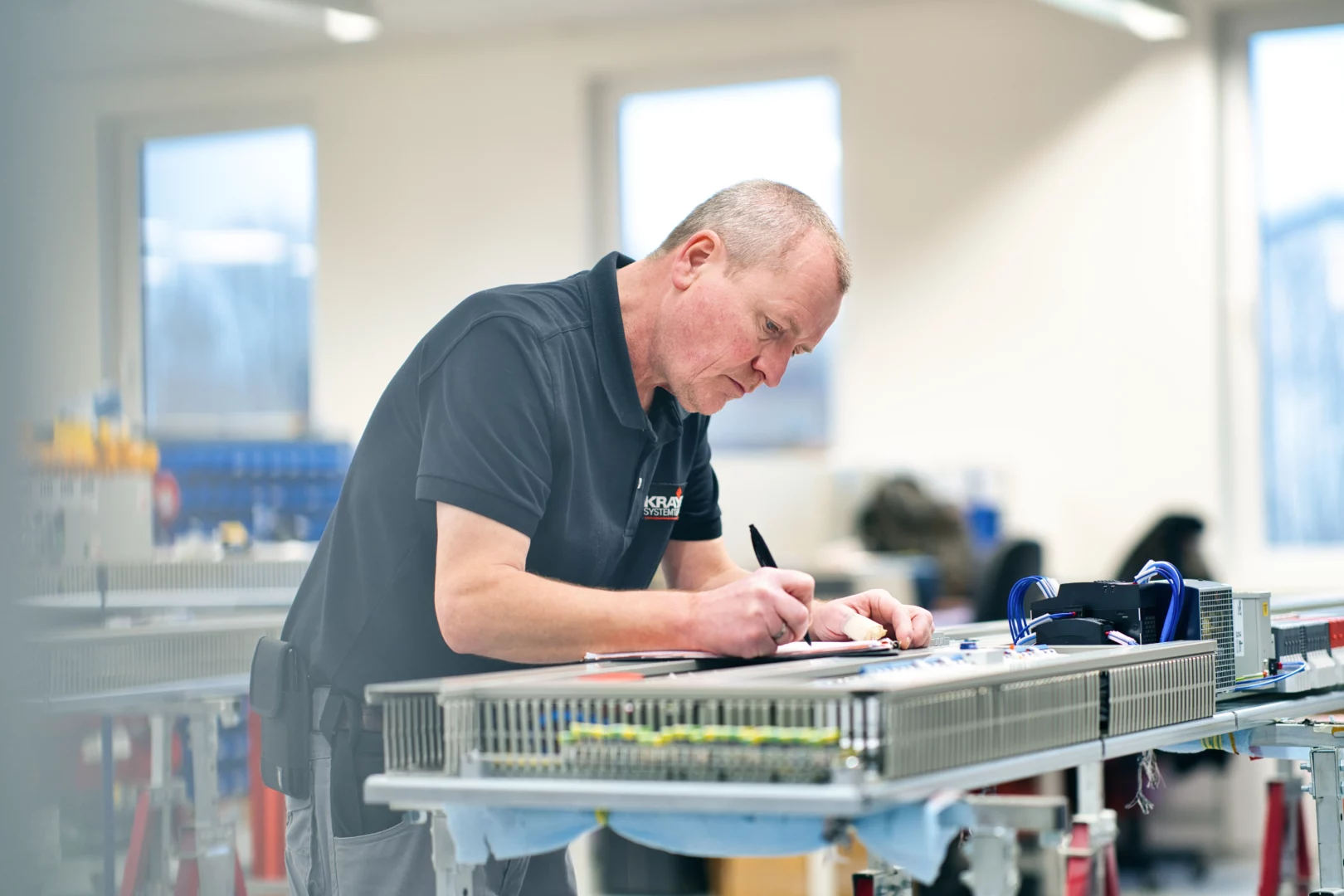
Industrial installation ensures that machines, systems, and control cabinets are commissioned efficiently and reliably. Its effectiveness is demonstrated by the on-time completion of complex projects, the assurance of high quality standards, and compliance with standards such as UL, which are particularly essential for control cabinets. Precise planning, modular approaches, and innovative testing systems help ensure that production facilities operate smoothly and reliably.
Challenges in Practice
Industrial installation places high demands on planning, coordination, and technical expertise. Large or complex systems require close coordination between mechanical, electrical, and control engineering. Added to this are logistical challenges such as the safe transport and proper storage of sensitive components. Any deviation can delay the schedule or even compromise the system’s functionality or safety.
Significance for Modern Production Processes
The combination of high performance and the ability to overcome these challenges makes industrial assembly a central component of modern production processes. It ensures the reliability, efficiency, and quality of industrial systems and forms the foundation for smooth operations across various industries.
Conclusion
Industrial assembly forms the foundation for the smooth operation of machines, equipment, and control cabinets. It combines precise planning, technical expertise, and innovative techniques to commission complex systems efficiently, reliably, and safely. Only through meticulous installation processes can production lines operate optimally, the highest quality standards be met, and companies secure their long-term competitiveness.

