




Machine safety requirements are strict in every country, but the U.S. in particular has specific regulations that manufacturers must comply with to ensure market access. Anyone who wants to use or sell machinery in the U.S. should therefore ask themselves: Are my machines ready to meet the specific safety requirements? In this article, we provide an overview of the most important standards and practical tips on how you can ensure that your machines comply with U.S. regulations.
Relation to UL
UL certification plays a central role in machine safety in the United States. UL (Underwriters Laboratories) is one of the best-known organizations for safety testing and certification in the United States. For manufacturers of (custom) machinery seeking to enter the U.S. market, it is crucial that their products meet UL’s requirements.
What exactly is meant by machine safety?
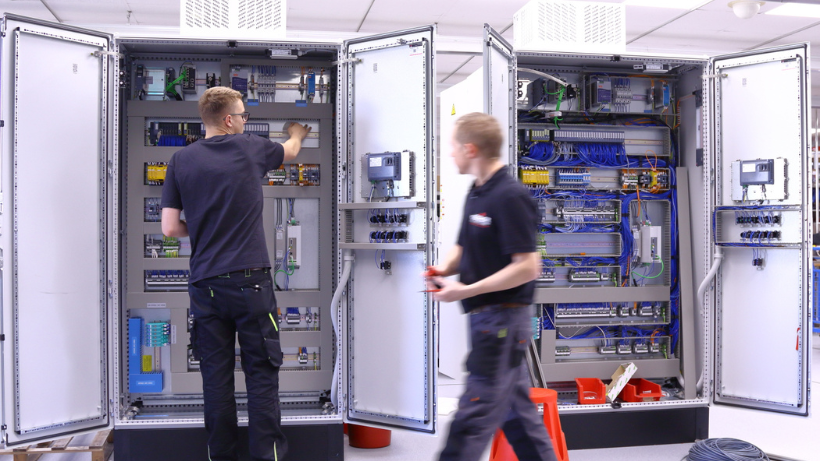
Machine safety refers to all measures aimed at minimizing the risk of injury to operators and other people working with machines. This includes technical devices such as guardrails, emergency stop switches, and automatic shut-off systems that reduce the risk of accidents. However, the proper operation and maintenance of machinery, as well as regular safety inspections, are also essential components of machine safety.
The goal of machine safety is to make working with machines as safe as possible without compromising their efficiency or performance. Machine safety also encompasses industry-specific regulations, which are often more stringent and require additional safety measures to address the specific requirements and hazards of the respective work environment.

Regulatory Framework for Machine Safety in the United States
In the U.S., the Occupational Safety and Health Administration (OSHA) is responsible for workplace safety. OSHA establishes strict guidelines that also apply to machine manufacturers. These regulations are designed to ensure that machines can be operated safely and do not pose a risk to employees’ health. For manufacturers seeking to enter the U.S. market, it is essential to meet these requirements in order to avoid fines and production downtime.
Important OSHA Requirements for Machine Manufacturers
One of OSHA’s key responsibilities is to ensure machine safety through clear standards and regular inspections. For machine manufacturers, this means they must thoroughly familiarize themselves with OSHA guidelines to ensure that their machines meet the required safety standards. This includes, among other things, marking hazardous areas, installing emergency stop switches, and providing protection against mechanical hazards.
Differences from the CE Marking: Be Aware of Important Differences
Compared to the CE marking in Europe, U.S. regulations differ significantly in some areas. While CE marking is standardized in the EU and a specific Machinery Directive applies uniformly across the entire single market, companies in the U.S. must comply with different regulations depending on the state and industry. This can pose a challenge for international manufacturers, requiring them to carefully review and adapt their machinery.

Standards and Organizations: ANSI, UL, NFPA, and NRTL
In addition to OSHA guidelines, there are other important standards and organizations in the United States that play a significant role in machine safety. Companies that wish to sell or operate machinery in the U.S. market must ensure that they meet the specific requirements of these organizations.
ANSI: American National Standards for Machinery
The American National Standards Institute (ANSI) is the central body responsible for developing and publishing standards in the United States. ANSI standards cover a wide range of areas, including machine safety. These standards are particularly relevant when it comes to the mechanical and electrical safety of machinery. Although compliance with ANSI standards is not required by law, many companies and government agencies consider it a best practice for ensuring safety and minimizing legal risks.
UL: Safety Certification for Machinery
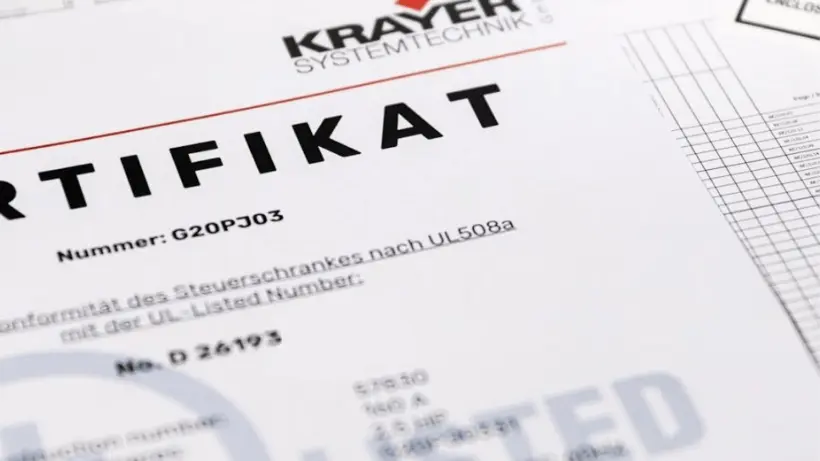
As mentioned earlier, the UL certification is a crucial criterion for machine safety in the United States. UL conducts tests to ensure that machines comply with applicable safety requirements. UL certification indicates that a product meets standards for electrical safety, mechanical protection, and fire safety. For many manufacturers, UL certification is not only a legal requirement but also an important competitive advantage for gaining customer trust.
NFPA: Fire Safety Requirements for Machinery
The National Fire Protection Association (NFPA) plays a central role in the field of fire protection. Machinery operated in fire-prone environments must often comply with the strict requirements of NFPA standards. These include regulations for preventing fire hazards caused by electrical systems, for the safe handling of flammable materials, and for the implementation of fire protection measures. In particular, NFPA 70, known as the National Electrical Code (NEC), is of great importance for the safety requirements for electrical machinery in the United States.
NRTL: Product Safety Through Independent Testing
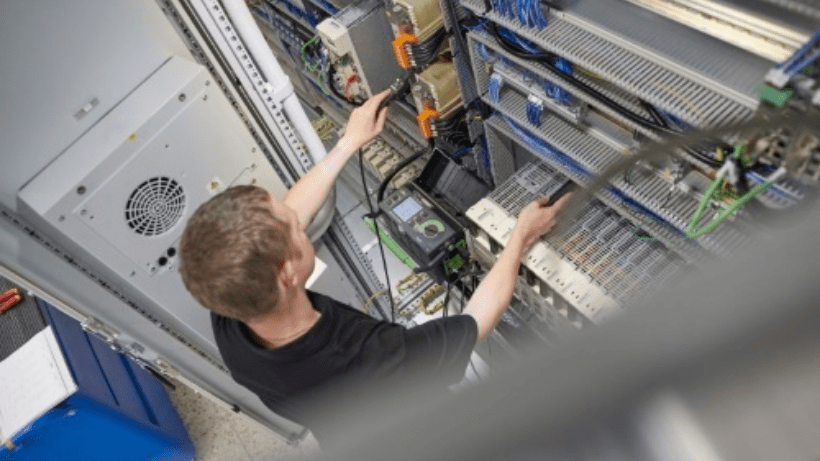
The Nationally Recognized Testing Laboratories (NRTL) are testing laboratories accredited by OSHA that test products for safety. NRTLs such as UL, Intertek, or TÜV test machines for compliance with the relevant safety standards. These tests are often a prerequisite for bringing products to the U.S. market. Machinery that has been tested and certified by an NRTL is considered safe and meets OSHA requirements as well as other industry-specific safety requirements.
Industry-Specific Challenges in the United States
Machine safety requirements in the United States vary greatly by industry. Each industry has specific regulations that go beyond OSHA’s general safety standards and are tailored to the specific hazards associated with the respective machines and work processes.
Automotive Industry: High Standards for Technical Safety
In the automotive industry, both mechanical and electrical safety play a central role. Manufacturers of machinery used in the production or maintenance of vehicles must not only comply with OSHA standards but also adhere to industry-specific requirements such as ANSI standards. These include precise specifications regarding machine guarding, emergency stop systems, and the protection of operators from moving machine parts.
Medical Technology: Safety and Hygiene
In medical technology, the focus is not only on mechanical safety but also on protection against biological and chemical risks. Machines used in this sector must comply with the strict requirements of the FDA (Food and Drug Administration) and UL for electrical and mechanical safety. In addition, NFPA guidelines for fire safety often apply to ensure the highest level of safety in laboratories and hospitals.
Food Industry: Hygiene Standards and Safety
Machinery used in the food industry must meet specific hygiene standards to prevent contamination. In addition to OSHA regulations, it is important for manufacturers to ensure that their machinery complies with the specific requirements of UL and the hygiene standards set by the NSF (National Sanitation Foundation). These standards ensure that machines are easy to clean and can be used in hygiene-sensitive areas without posing any risks to food safety.
Safety Regulations Within the United States
While the Occupational Safety and Health Administration (OSHA) is responsible for machine safety at the federal level in the United States, some states operate their own state OSHA programs, which may include additional or stricter safety requirements. These programs must meet at least the standards of the federal OSHA, but they allow states to adapt or tighten certain regulations.
State OSHA Programs: California and Other Pioneers
One example of a state with stricter regulations is California. California’s own OSHA program, Cal/OSHA, is known for having particularly strict regulations in areas such as environmental protection and workplace safety. These regulations often go beyond federal requirements and cover not only general machine safety but also areas such as chemical management, noise control, and ergonomics.
Other states with their own programs
In addition to California, states such as Washington, Michigan, and North Carolina also have their own OSHA programs, which may differ from national standards. These programs often include specific regulations tailored to the unique circumstances of local industries and labor markets. For companies that sell machinery in multiple U.S. states, it is therefore important to be familiar with local regulations and to adapt their machinery accordingly.
Federal OSHA Standards: A Foundation for All States
Despite variations in some states, federal OSHA regulations remain the basis for most safety regulations in the United States. Manufacturers should ensure that their machines comply with general OSHA standards to meet the basic requirements for machine safety. These include, for example, marking hazardous areas, installing emergency stop systems, and providing safety instructions for machine operators.
Practical Steps for Complying with U.S. Safety Standards
To meet machine safety requirements in the United States, manufacturers must take action early on to avoid potential delays and additional costs. Here are some practical steps to help companies meet the necessary safety standards:
1. Planning and Development
It is important to ensure that all relevant safety requirements are taken into account as early as the development phase. This includes the early integration of OSHA guidelines, ANSI standards, and UL standards into the design of the machines. This helps avoid the need for later revisions and speeds up the certification process.
2. Collaboration with Certification Bodies
Collaboration with Nationally Recognized Testing Laboratories (NRTLs) such as UL or Intertek is crucial to ensuring that the machines meet strict safety requirements. These independent testing laboratories offer the comprehensive testing required to obtain certification. It is advisable to establish these partnerships early on to ensure that all standards are met before entering the market.
3. Security Tests and Audits
Regular safety inspections and audits should be conducted to ensure that machines comply with requirements throughout their entire service life. This includes internal inspections as well as external audits by certification bodies. These measures help identify and address safety vulnerabilities before accidents or legal issues arise.
4. Employee Training
An often-overlooked but crucial factor in machine safety is employee training. Machine operators must receive comprehensive instruction on the safe operation of the machines. This includes understanding safety precautions, how to use emergency stop systems, and proper maintenance. Well-trained employees play a crucial role in preventing accidents.
5. Documentation and Compliance with Regulations
Compliance with safety standards requires careful documentation. Manufacturers should ensure that all safety inspections, maintenance work, and training sessions are documented. This documentation is important for demonstrating compliance with the standards in the event of accidents or inspections.
Zusammenfassung
Die Einhaltung der Maschinensicherheitsstandards in den USA ist eine Herausforderung, die Hersteller nicht unterschätzen sollten. Vom Verständnis der regulatorischen Grundlagen über die Zertifizierung bis hin zur Schulung der Mitarbeiter gibt es viele Schritte, die Unternehmen beachten müssen. Mit einem gut durchdachten Plan, der auf die Einhaltung von OSHA, UL, ANSI und anderen relevanten Normen abzielt, können Hersteller jedoch sicherstellen, dass ihre Maschinen bereit für den US-Markt sind.
Es lohnt sich, frühzeitig auf Sicherheitsprüfungen und die Zusammenarbeit mit Zertifizierungsstellen zu setzen, um potenzielle Risiken zu minimieren und den reibungslosen Markteintritt zu gewährleisten. Sind Ihre Maschinen bereit für die USA? Jetzt ist der richtige Zeitpunkt, dies zu überprüfen und sicherzustellen, dass sie allen Anforderungen gerecht werden.


