




In the United States and Canada, Type A and Type B electrical plugs are used. These plugs are referred to as UL plugs or NEMA plugs.
Relation to UL
The UL certification plays a crucial role in the United States, as it ensures that electrical devices and their components undergo rigorous testing. These tests are designed to verify both mechanical and electrical safety and to confirm that the products comply with the required standards.
What is a UL connector?
A UL plug is an electrical plug that complies with the guidelines of Underwriters Laboratories (UL) . It meets specific requirements that apply to electrical connections in the United States and Canada.
Why are UL connectors important?
UL-certified plugs are critical to the safety of electrical applications. They provide protection against potential electrical hazards such as short circuits, overheating, and electric shock. UL certification ensures that these plugs are suitable for use in residential, industrial, and—in particular—medical settings.
Plugs in the U.S.: Type A and Type B
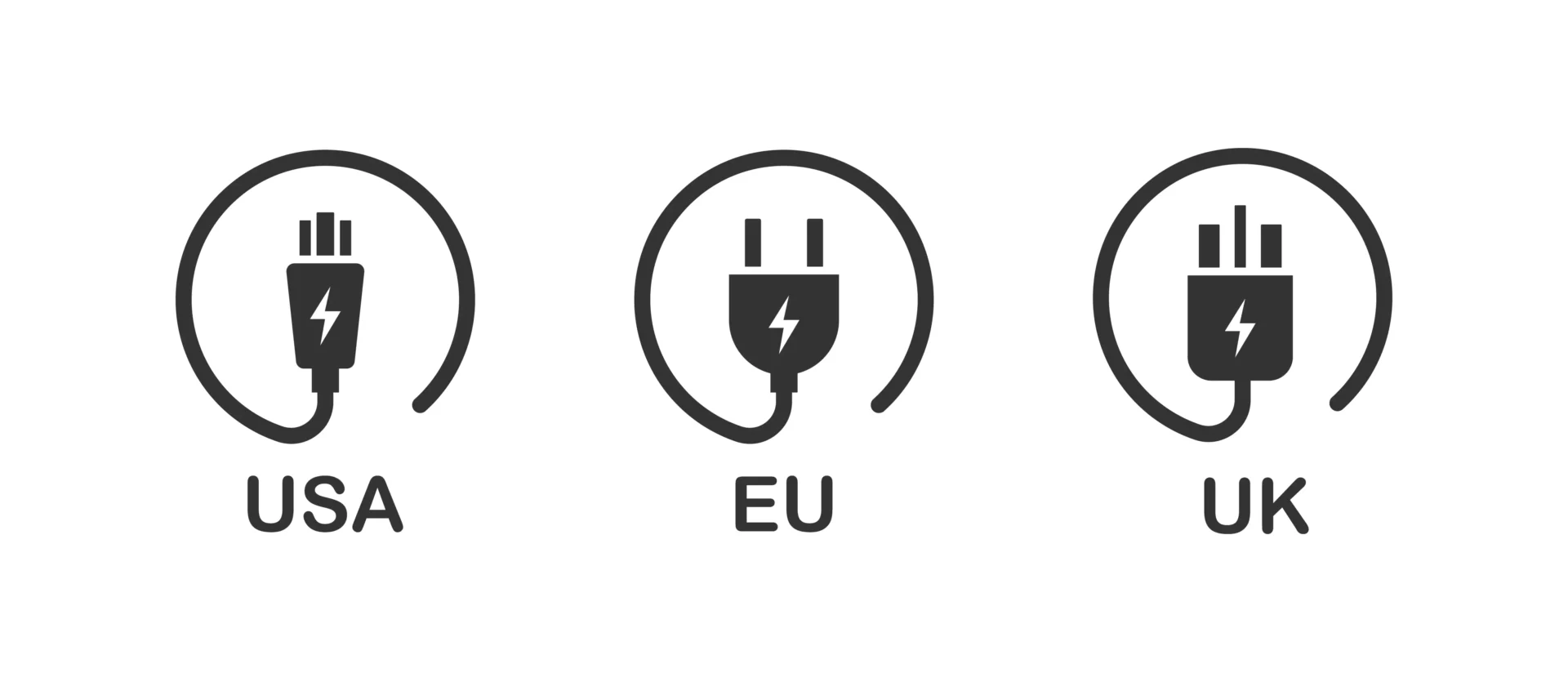
Internationally, UL plugs are designated as Type A and Type B. Type A is a two-pole plug with two flat, parallel prongs and no grounding prong, while Type B is a three-pole plug that has two flat, parallel prongs and a round grounding prong. Type B offers additional protection against electric shock and is used in a wide variety of electrical devices. Both types are rated for voltages ranging from 100 to 125 V and a rated current of up to 15 A.
Comparison with European Standards
In contrast, the most common plug types in Europe are Type C and Type F. Type C, also known as the Euro plug, has two round prongs and is frequently used in portable devices, while Type F, known as the Schuko plug, also has two round prongs but is additionally equipped with side grounding contacts. These European types support higher voltages ranging from 220 to 240 V and offer better protection, which improves safety when using electrical devices in different regions.
Applications of UL Connectors
UL connectors are indispensable in numerous fields where high safety standards are required. They are used in household and office electronics, such as refrigerators, televisions, and computers. In industrial settings, they ensure reliable connections in machines and manufacturing equipment. UL plugs also ensure the safety of devices in consumer electronics. Furthermore, they are widely used in commercial settings such as hotels and restaurants, where compliance with safety regulations is of the utmost importance. The use of UL plugs ensures both smooth operation and electrical safety.
UL-Certified Hospital-Grade Connectors for the Medical Field
In the United States and Canada, the use of hospital-grade plugs (often referred to as “hospital-grade plugs”) is mandatory in the medical field. These plugs must meet particularly strict requirements to ensure they can be used safely in hospitals and other healthcare facilities.
The relevant standards for UL hospital-grade connectors include UL 60601-1, CSA C22.2 No. 21, and UL 817, which define basic safety requirements for medical electrical equipment and power supply performance, as well as UL 498 and CSA C22.2 No. 42 for connectors and connection types, to ensure safety and reliability in medical applications.
Standards and Certifications for UL Connectors
UL 498 – Standard for Plugs and Receptacles
The UL 498 standard defines the safety and quality requirements for various types of electrical plugs and receptacles. Hospital-grade plugs are subject to particularly stringent requirements to ensure that they function reliably even under demanding conditions. These requirements include tests for mechanical strength and electrical contact integrity.
UL 817 – Standard for Plugs and Extension Cords
The UL 817 standard specifies the requirements for receptacles and extension cords to ensure safety in electrical applications. This standard supplements UL 498 and is important for the use of plugs in various environments.
CSA C22.2 – Canadian Standard
The CSA C22.2 standard is the equivalent of UL 498 and also specifies requirements for the safety and performance of plugs and receptacles. This standard is particularly important for the use of UL plugs in Canada.
NEMA – National Electrical Manufacturers Association
UL connectors are also often referred to as NEMA connectors, especially when they comply with the standards of the National Electrical Manufacturers Association (NEMA) . NEMA is an organization that sets standards for electrical products in the United States, including plugs and receptacles. UL plugs are classified into various protection classes, including Protection Class I (NEMA 5-15) with a grounding prong and Protection Class II (NEMA 1-15) without a grounding prong.
How can you tell if a connector is UL-listed?
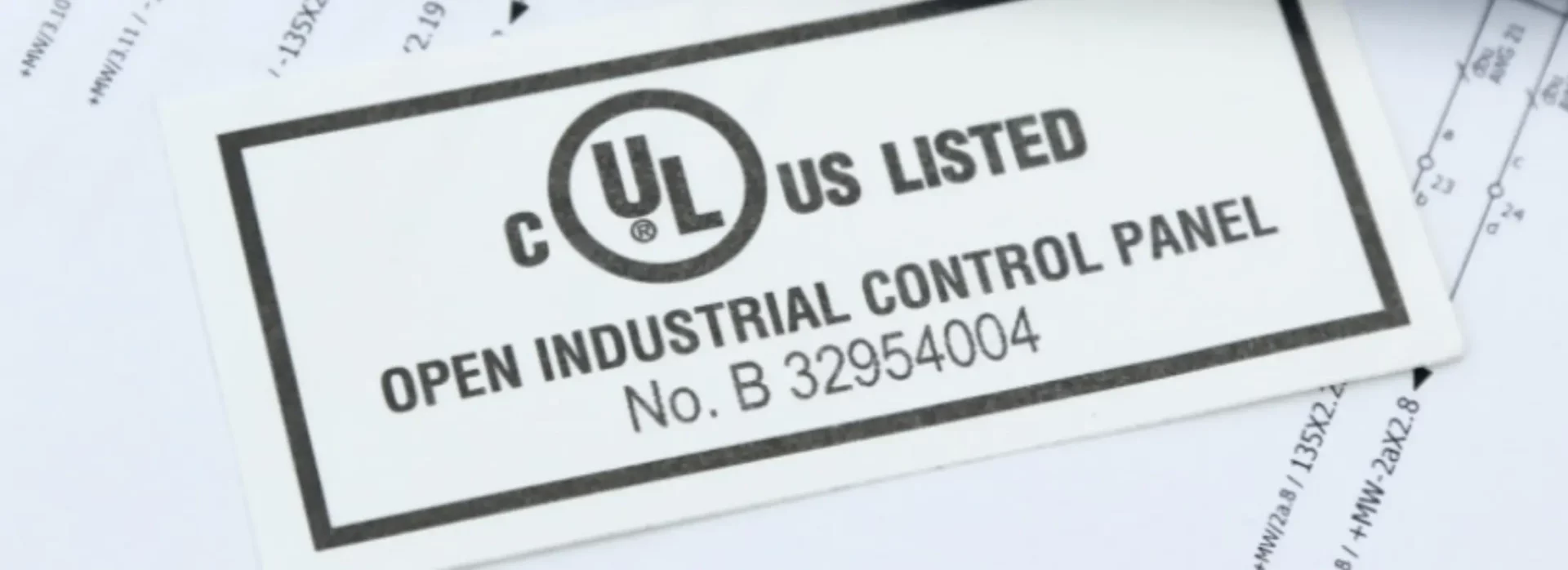
The UL mark on a plug indicates that it meets safety standards. This mark often takes the form of the UL symbol and a specific UL number. In addition, the packaging and technical documentation may also provide information regarding UL certification. Hospital-grade connectors are often marked with a green dot.
Zusammenfassung
UL plugs are certified safety plugs that meet the high standards in the U.S. and Canada. These standards are often more stringent than those for other international plug types and guarantee maximum electrical safety. UL plugs are indispensable, particularly in safety-critical fields such as medical technology and industry. They offer reliable protection against electrical hazards and are classified into Types A and B.

